- Your cart is empty
- Continue Shopping


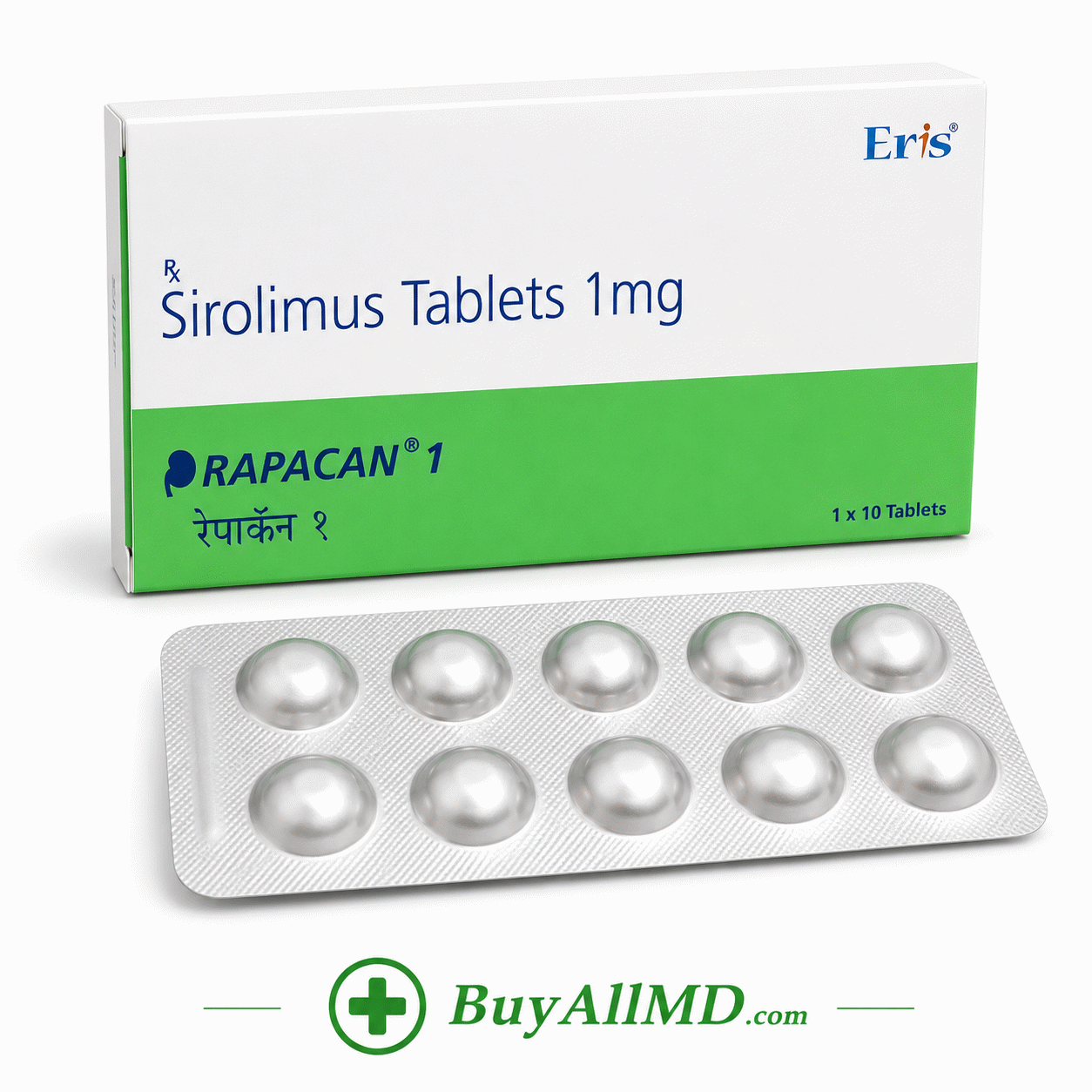
Price range: $110.00 through $225.00
| 🧬 Active Ingredient | Sirolimus |
| 💊 Indication | Organ transplant rejection prophylaxis, LAM (off-label) |
| 🇺🇸 US Brand Equivalent | Rapamune |
| 🏭 Manufacturer | Biocon Limited, India |
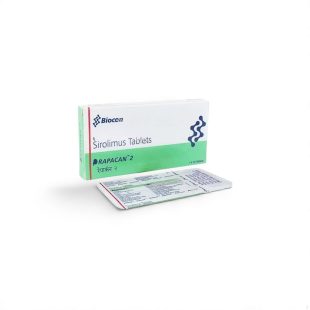
| 📦 Packaging | 10 tablets per strip |
| 💊 Strength | 1 mg |
| 🚚 Delivery Time | 6 to 15 days (Ships globally: USA, UK, Australia) |
Rapacan is a generic version of Sirolimus, an immunosuppressant drug manufactured by Biocon Limited. It is primarily used to prevent rejection in patients who have received kidney transplants. Sirolimus works by inhibiting T-cell activation and proliferation, which helps the body accept a transplanted organ.
Sirolimus is also used off-label for treating lymphangioleiomyomatosis (LAM), a rare lung disease, and has shown potential in certain autoimmune and dermatological conditions. Rapacan is recognized for its affordability and bioequivalence to Rapamune, the US brand.
💡 Key Mechanism: Sirolimus binds to FKBP-12, forming a complex that inhibits mTOR (mammalian target of rapamycin), blocking T-cell proliferation and preventing graft rejection.
🗓️ Reviewed: June 27, 2026
“Rapacan provides stable immunosuppression with a lower risk of nephrotoxicity compared to calcineurin inhibitors like tacrolimus and cyclosporine. It’s ideal for long-term kidney transplant care, particularly in patients with renal dysfunction or those at risk of viral infections. However, monitoring drug levels and lipid profiles is essential.”
— Dr. Rehan Thomas, Transplant Nephrologist
| 💡 Indication | 💊 Recommended Dose | ⏱️ Notes |
|---|---|---|
| Kidney Transplant Prophylaxis | 2–5 mg/day initially | Adjust based on trough levels |
| Maintenance Therapy | 1–4 mg/day | Monitor blood sirolimus levels |
| LAM (off-label) | 1–2 mg/day | Specialist-supervised dosing |
📌 Important: Take orally once daily, consistently with or without food. Regular monitoring of sirolimus blood trough levels is essential for dose adjustment and safety.
⚠️ Precautions: Avoid live vaccines and contact with people who have infections. Regular monitoring of lipid panel, CBC, liver/kidney function, and drug levels is required.
| 🌎 Country | 📦 Shipping Available | 💵 Price Estimate (10 tablets) | 📜 Prescription Required |
|---|---|---|---|
| 🇺🇸 USA | ✅ Yes | $22–$30 | Yes |
| 🇬🇧 UK | ✅ Yes | £18–£25 | Yes |
| 🇦🇺 Australia | ✅ Yes | AUD 35–45 | Yes |
📦 Delivery via certified Indian exporters with tracking. Discreet and temperature-controlled shipping for sensitive medications.
| 💊 Product Name | 🏭 Manufacturer | 🔗 Link |
|---|---|---|
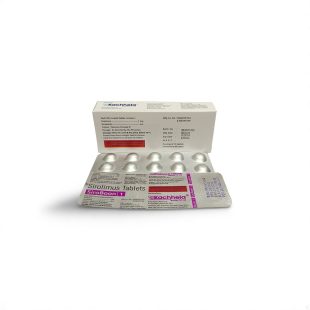
| Siromus 1mg | Zydus Cadila | Siromus 1mg |
| Siroboon 1mg | Neon Labs | View Product → |
| Siropan 1mg | Panacea Biotec | Siropan 1mg |
| Rapacan 2mg | Biocon Limited | View Product → |
| Tacloran 1mg | Biocon Limited | Tacloran 1mg |
Sirolimus (Rapacan) is a cornerstone immunosuppressant in modern transplant medicine. Its unique mechanism of action offers several advantages over traditional calcineurin inhibitors:
Unlike calcineurin inhibitors, sirolimus does not directly damage kidney tissue, making it valuable for patients with renal impairment.
Sirolimus has shown anti-proliferative effects that may reduce the risk of certain post-transplant malignancies.
Studies suggest sirolimus-based regimens may improve long-term graft survival compared to traditional regimens.
According to transplant guidelines, sirolimus is particularly beneficial in:
Rapacan (Sirolimus) is primarily used to prevent organ rejection in kidney transplant patients. It is also used off-label for treating lymphangioleiomyomatosis (LAM) and certain autoimmune conditions.
Rapacan (Sirolimus) works by inhibiting mTOR, not calcineurin. It has lower kidney toxicity but requires monitoring of blood lipids and drug levels. It is often used alongside reduced-dose calcineurin inhibitors.
Regular monitoring of sirolimus blood trough levels, lipid panel, complete blood count, and liver/kidney function is essential. Therapeutic drug monitoring ensures efficacy and safety.
Yes — Rapacan is often used in combination with calcineurin inhibitors (tacrolimus, cyclosporine) and corticosteroids. The combination regimen should be individualized based on transplant type and patient factors.
Sirolimus is contraindicated during pregnancy due to fetal toxicity risk. Effective contraception should be used during treatment and for 12 weeks after stopping.
This content is for informational and educational purposes only and does not constitute medical advice. Rapacan (Sirolimus) is a prescription immunosuppressant that should only be used under the supervision of a qualified healthcare professional, typically a transplant specialist. Always consult your healthcare provider before beginning, changing, or discontinuing any medication. Never self-prescribe or share prescription medications with others. Immunosuppressive therapy carries significant risks and requires regular medical monitoring.
© 2026 BuyAllMD.com — Evidence-Based Transplant Medicine Information
| Active | Sirolimus |
|---|---|
| Tablets | 30, 60, 90 |