
- Your cart is empty
- Continue Shopping

Zimislecel (Lantidra™) FDA Approval: Cell Therapy Breakthrough Offers Sustained Insulin Independence for Challenging Type 1 Diabetes Cases
-
Dr. Tina Sugandh
- Posted on
The Landscape of Type 1 Diabetes Treatment Just Changed Dramatically
For individuals battling type 1 diabetes (T1D), particularly those experiencing severe hypoglycemia unawareness and extreme glycemic instability despite intensive management, hope has often felt distant. The constant vigilance, the fear of dangerous lows, and the burden of lifelong insulin dependence define their reality. However, groundbreaking news emerged with the FDA approval of Zimislecel (marketed as Lantidra™) in June 2023, heralding the arrival of the first-ever cell therapy approved specifically for treating T1D.
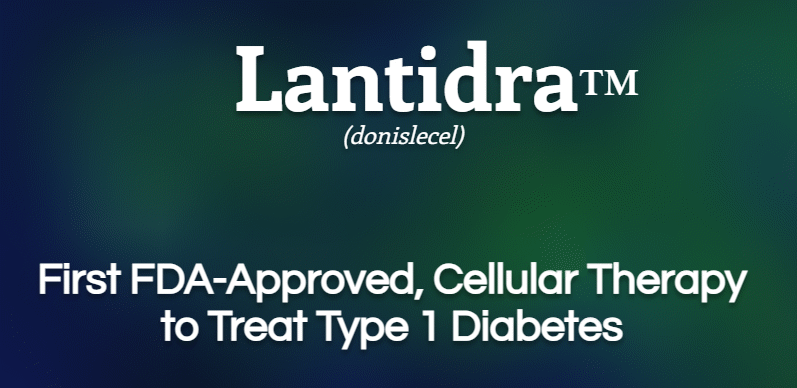
What is Zimislecel (Lantidra™) and How Does This Diabetes Therapy Work?
Zimislecel isn’t a drug or a simple injection; it’s an advanced allogeneic (donor-derived) islet cell therapy. Developed by CellTrans Inc., it involves transplanting functioning pancreatic islet cells – specifically the insulin-producing beta cells – from deceased donors into the liver of a person with T1D.
Here’s the revolutionary part: These transplanted cells can take over the job of regulating blood sugar. When successful, the grafted islets sense glucose levels and release insulin naturally, mimicking the function of a healthy pancreas. The goal? Achieving insulin independence – freedom from the need for daily insulin injections or pump therapy.
The Evidence: Remarkable Results from Clinical Trials
The FDA approval was based on decades of research and results from two key single-arm trials involving 30 participants with T1D who had a history of severe hypoglycemia despite expert care.
The results were nothing short of transformative for many:
- Significant Insulin Independence: A substantial proportion of participants achieved insulin independence for substantial periods.
- 21 out of 30 participants (70%) achieved insulin independence for at least one year.
- 10 participants maintained independence for 1-5 years.
- 11 participants maintained independence for over 5 years!
- One remarkable participant remained insulin-independent for over 13 years post-transplant.
- Reduced Hypoglycemia Events: Participants experienced a pronounced reduction in severe hypoglycemic events (low blood sugar) following the infusion(s), significantly improving safety and quality of life.
- Improved Glycemic Control: Even for those who didn’t achieve full, long-term insulin independence, glycemic control (HbA1c levels) generally improved, and the burden of severe hypoglycemia lessened.
How is Zimislecel Administered? (Beyond a Simple Injection)
It’s crucial to understand that Zimislecel therapy is a complex medical procedure, not a routine injection. It involves:
- Islet Isolation & Preparation: Islet cells are meticulously isolated and purified from donor pancreases.
- Infusion: The islets are infused into the recipient’s liver via the portal vein, typically using minimally invasive radiologic techniques or a small surgical procedure. Patients often require multiple infusions (doses) to achieve sufficient islet mass.
- Lifelong Immunosuppression: To prevent the recipient’s immune system from rejecting the donor cells, patients must take potent immunosuppressive drugs indefinitely. This carries significant risks, including increased susceptibility to infections and potential side effects from the medications.
Who is Zimislecel Therapy For?
Lantidra™ is specifically approved for adults with T1D who cannot achieve target HbA1c levels because of current repeated episodes of severe hypoglycemia (low blood sugar) despite intensive diabetes management and education. It’s intended for those facing the most extreme challenges in managing their disease, where the risks of hypoglycemia outweigh the risks of immunosuppression and the procedure itself.
A Milestone, Not a Cure-All: Important Considerations
While Zimislecel’s approval is a monumental scientific and medical achievement, it’s vital to manage expectations:
- Immunosuppression Requirement: The necessity for lifelong, strong immunosuppressants is a major consideration due to associated risks (infections, potential organ toxicity, cancer risk).
- Not Universally Effective: Not all recipients achieve insulin independence, and its duration varies significantly. Some may eventually lose graft function and require insulin again.
- Complexity & Cost: The procedure is complex, requires specialized centers, and is expected to be very expensive. Access may be limited initially.
- Donor Organ Shortage: Like all transplant therapies, it relies on the availability of suitable donor pancreases.
The Future is Bright: What This Diabetes Breakthrough Means
The approval of Zimislecel (Lantidra™) marks a paradigm shift in T1D treatment:
- Proof of Concept Validated: It definitively proves that replacing beta cells can functionally cure T1D, enabling insulin independence.
- Hope for the Most Vulnerable: It offers a lifeline to those suffering debilitating hypoglycemia unawareness, significantly improving their safety and quality of life.
- Catalyst for Innovation: This success paves the way for next-generation cell therapies, including:
- Stem cell-derived islets (eliminating donor dependency).
- Improved encapsulation techniques (potentially reducing/eliminating immunosuppression).
- Gene-edited cells to evade immune detection.
Conclusion
The FDA approval of Zimislecel (Lantidra™) is a landmark event in the fight against type 1 diabetes. As the first approved cell therapy, it offers the very real possibility of sustained insulin independence for adults struggling with the most dangerous manifestations of the disease. While challenges like immunosuppression and access remain, Lantidra™ represents a giant leap forward. It validates decades of research and ignites tremendous optimism for the future, where more accessible and safer beta cell replacement strategies could one day transform the lives of millions living with T1D. This isn’t just a new treatment; it’s the dawn of a new therapeutic era.
Learn More & Discuss with Your Doctor:
- FDA Announcement: https://www.fda.gov/news-events/press-announcements/fda-approves-first-cellular-therapy-treat-patients-type-1-diabetes
- CellTrans Inc.: https://celltransinc.com/
- Clinical Trial Data (Example): Search NIH ClinicalTrials.gov for islet cell transplant trials.
If you or a loved one has T1D with severe hypoglycemia despite optimal management, consult your endocrinologist to discuss if emerging therapies like Zimislecel might be a potential option and whether you meet the criteria for evaluation at a specialized transplant center.
