- Your cart is empty
- Continue Shopping

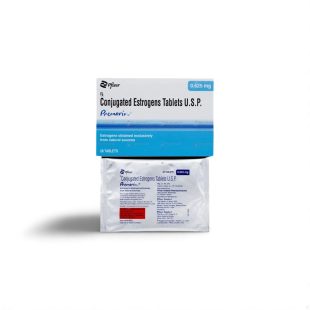


Price range: $12.00 through $16.00
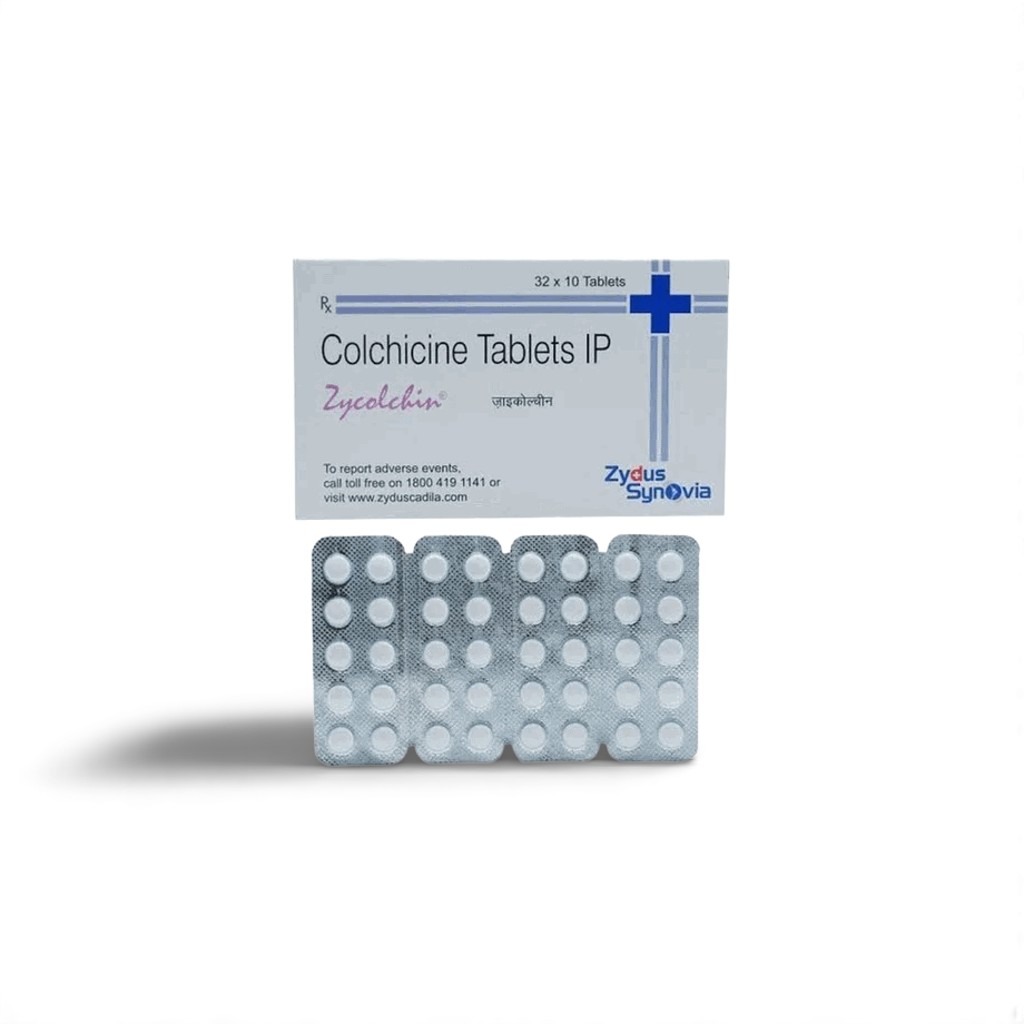
Colchicine is a medication primarily used to treat gout and familial Mediterranean fever (FMF). This article aims to provide a detailed understanding of Colchicine, including its uses, side effects, chemical formula, dosage instructions, and storage recommendations. Additionally, we will explore the pricing information for Colchicine in different regions and the legality of importing it from India for personal use.
Colchicine is a medication that belongs to the class of alkaloids. It works by reducing the activity of white blood cells, which play a key role in the inflammation associated with gout attacks and FMF.
Colchicine is prescribed for a variety of conditions, including:
The chemical formula of Colchicine is C22H25NO6. The molecular weight is approximately 399.44 g/mol. Colchicine has a unique structure that allows it to interfere with microtubule polymerization, thereby reducing inflammation and preventing gout attacks.
It is crucial to follow the prescribed dosage instructions carefully to ensure the effectiveness of the medication and minimize potential side effects. Colchicine is available in tablet and liquid forms. Here are some general guidelines:
Like any medication, Colchicine can cause side effects. Common side effects include:
In rare cases, more serious side effects can occur, such as:
If you experience any severe side effects, seek medical attention immediately.
Dr. Michael Thompson, a renowned rheumatologist, states, “Colchicine is a valuable medication for managing gout and FMF. However, it’s crucial to adhere strictly to the prescribed dosage and duration to achieve the best outcomes and minimize side effects.”
Proper storage is essential to maintain the effectiveness of Colchicine. Here are some storage recommendations:
Understanding the cost of Colchicine is important for patients seeking treatment. Here are the approximate prices in different regions:
Many individuals consider importing Colchicine from India due to lower costs. However, it is essential to understand the legal implications and safety concerns associated with this practice. Importing medications from outside one’s country without proper authorization can be illegal and poses risks related to counterfeit drugs or improper storage.
Always consult with your healthcare provider before considering importing medications. Ensure that the source is reputable and that the drugs meet quality standards.
Colchicine is a valuable medication for treating gout and familial Mediterranean fever. Understanding its uses, side effects, correct dosage, and storage instructions is crucial for safe and effective treatment. While the prices vary across different regions, it is essential to prioritize safety and legality when considering importing these medications from other countries.
By following the guidance provided in this article, you can make informed decisions about your health and well-being. Always consult with a healthcare professional before starting any new medication regimen
| active | |
|---|---|
| packs | |
| US Brands | Colcrys, Mitigare, Lodoco |
You must be logged in to post a review.
Reviews
There are no reviews yet.