- Your cart is empty
- Continue Shopping



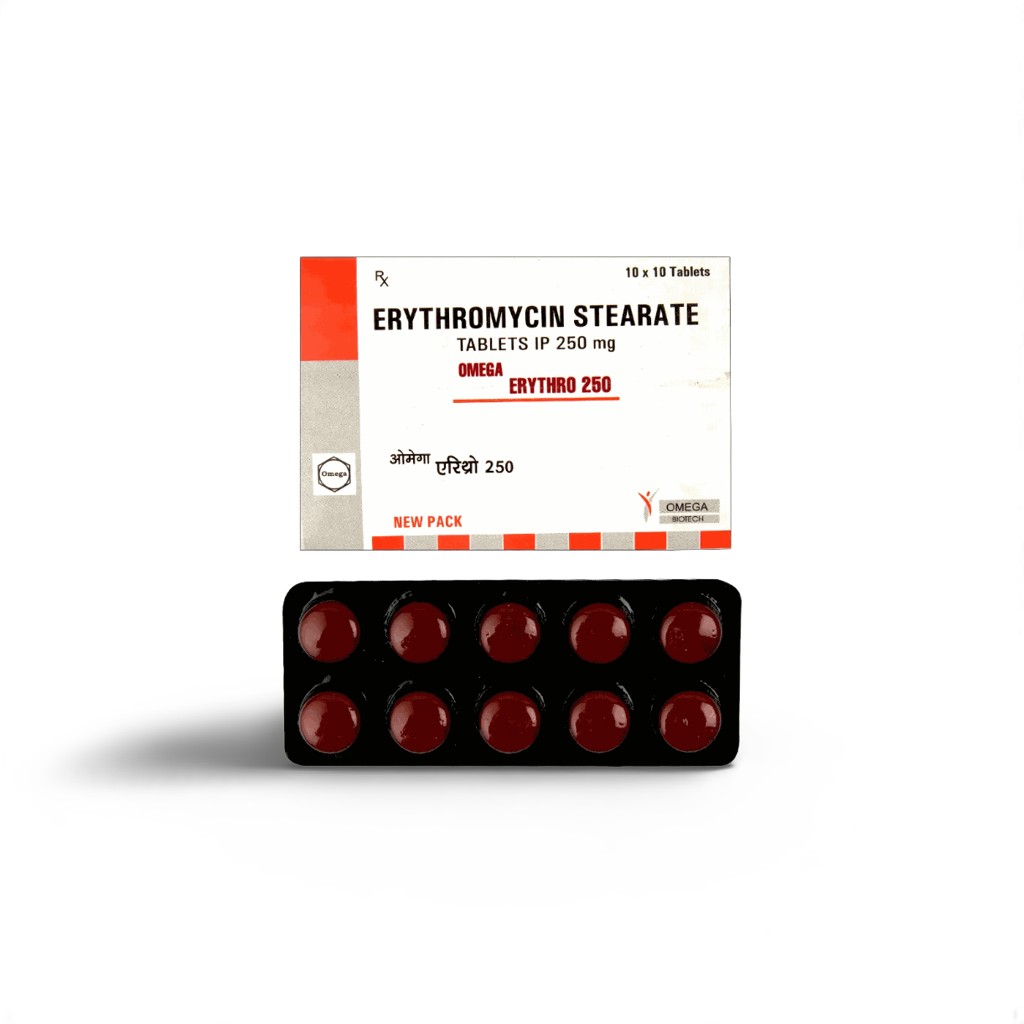
Price range: $5.00 through $7.00
Erythromycin is a macrolide antibiotic used to treat a variety of bacterial infections. It is available both as a branded medication and in generic form, making it a cost-effective option for many patients. This comprehensive guide will provide an in-depth look at Erythromycin, including its uses, dosage, side effects, and more. We’ll also explore the cost variations for this medication in different countries like Australia, the USA, and the UK, as well as the legality and process of importing from India for personal use.
The chemical formula for Erythromycin is C37H67NO13. Erythromycin works by binding to the 50S ribosomal subunit of susceptible bacteria, inhibiting bacterial protein synthesis and leading to the destruction of the bacteria. This mechanism makes it highly effective against a broad spectrum of both Gram-positive and some Gram-negative bacteria.
Erythromycin is commonly prescribed for the treatment of various bacterial infections, including:
This versatile antibiotic is a valuable tool in combating bacterial infections, offering relief and recovery for patients suffering from these conditions.
The dosage of Erythromycin can vary based on the infection being treated and the patient’s age and weight. Here are some general guidelines:
For acne:
For ophthalmic use (eye drops):
Always consult your healthcare provider for personalized dosing instructions to ensure optimal results and minimize potential side effects.
Like all medications, Erythromycin can cause side effects. Common side effects include:
More severe side effects may include:
If you experience any severe side effects, seek medical attention immediately.
While Erythromycin is a highly effective antibiotic, there are several substitutes and generic versions available in the market. These alternatives can be more cost-effective and are produced by reputable pharmaceutical companies in India. Some notable substitutes and generic manufacturers include:
These generic versions offer the same efficacy and safety profile as branded versions but at a lower cost, making them a preferred choice for many patients.
The cost of Erythromycin can vary significantly depending on the country and whether you are purchasing a branded or generic version. Here’s a comparison:
Importing medications from India for personal use can be a viable option if the cost savings are significant and local availability is limited. However, it is essential to follow legal guidelines and ensure the safety and efficacy of the imported product. Here are some steps to consider:
| packs | |
|---|---|
| Other Brand Name | Erythro |
You must be logged in to post a review.
Reviews
There are no reviews yet.