Generic Rugiet 3-in-1 Alternative
A premium “Rugiet-style” triple-mechanism approach built around dual PDE-5 support plus
central dopamine-pathway activation for men who want a stronger, more complete response profile.
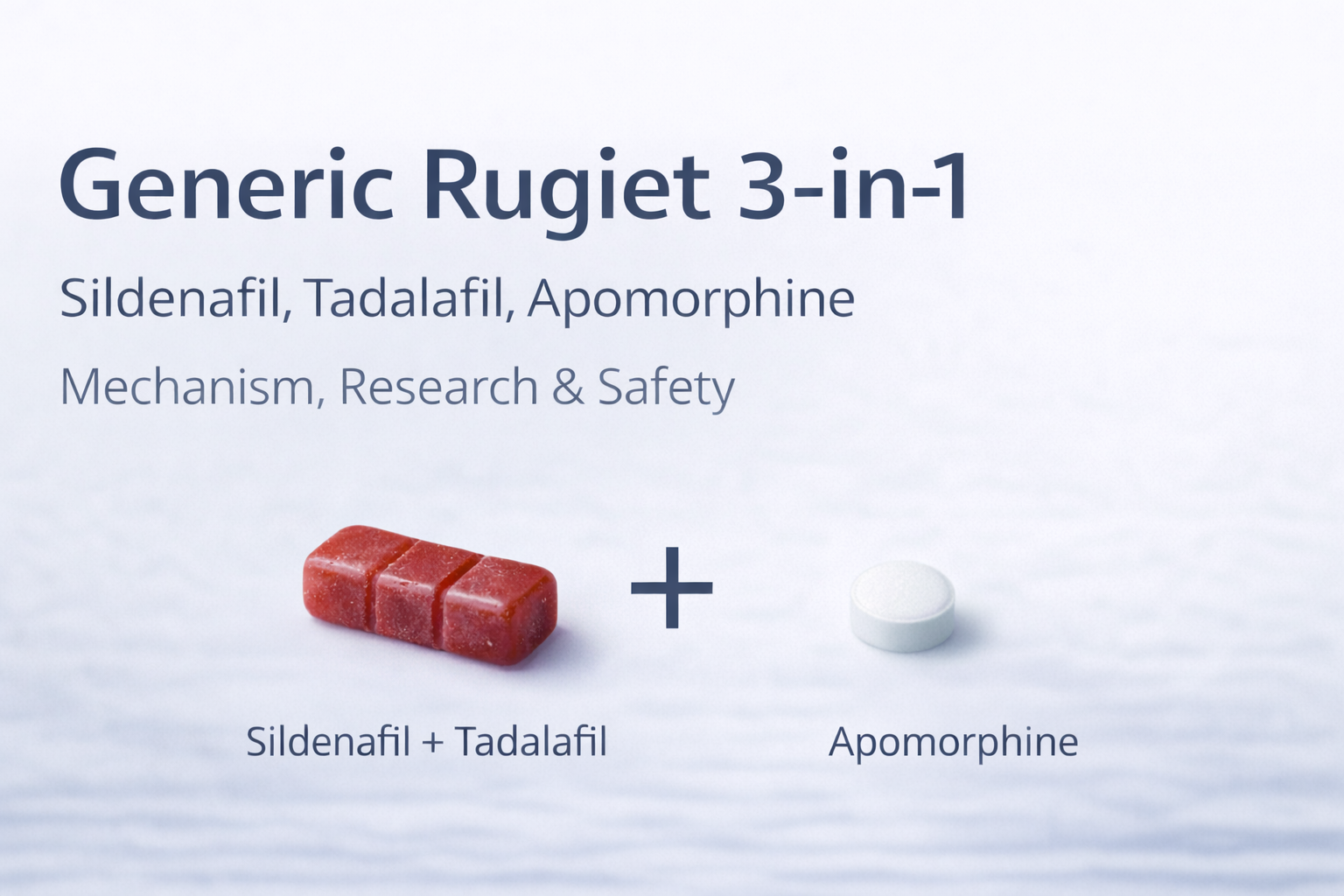
🔬 Dual PDE-5 support | 🧠 Central arousal modulation | ⚡ Fast + sustained window
Positioning (conversion): This is not a basic “try-once” ED pill. It’s a structured escalation option for users who
want (1) faster initiation, (2) broader timing flexibility, and (3) arousal-signal support—without relying on a single pathway.

Premium summary: A Rugiet-style combination concept using a dual PDE-5 base (Sildenafil + Tadalafil)
paired with Apomorphine for central arousal signaling support. Designed for men who want a
more comprehensive response model than single-agent therapy.
paired with Apomorphine for central arousal signaling support. Designed for men who want a
more comprehensive response model than single-agent therapy.
Educational content only. Follow local labeling and clinician guidance where applicable.
What You’re Getting
This Generic Rugiet alternative is structured around a “3-pathway” logic:
peripheral blood-flow support (PDE-5 inhibition) plus central arousal-signal activation (dopaminergic pathway).
The goal is not simply “more mg”—it’s mechanism coverage.
peripheral blood-flow support (PDE-5 inhibition) plus central arousal-signal activation (dopaminergic pathway).
The goal is not simply “more mg”—it’s mechanism coverage.
✅ CoveragePeripheral hemodynamics + extended window + central arousal signaling.
🎯 TargetUsers with incomplete response to single PDE-5 or inconsistent results.
⚖ LogicEscalation model: optimize → reassess → combine when needed.
Available Product Variants
Two curated configurations—same “triple-therapy” logic, different intensity profile.
| Option | What’s Inside | Best Fit | Intensity Profile |
|---|---|---|---|
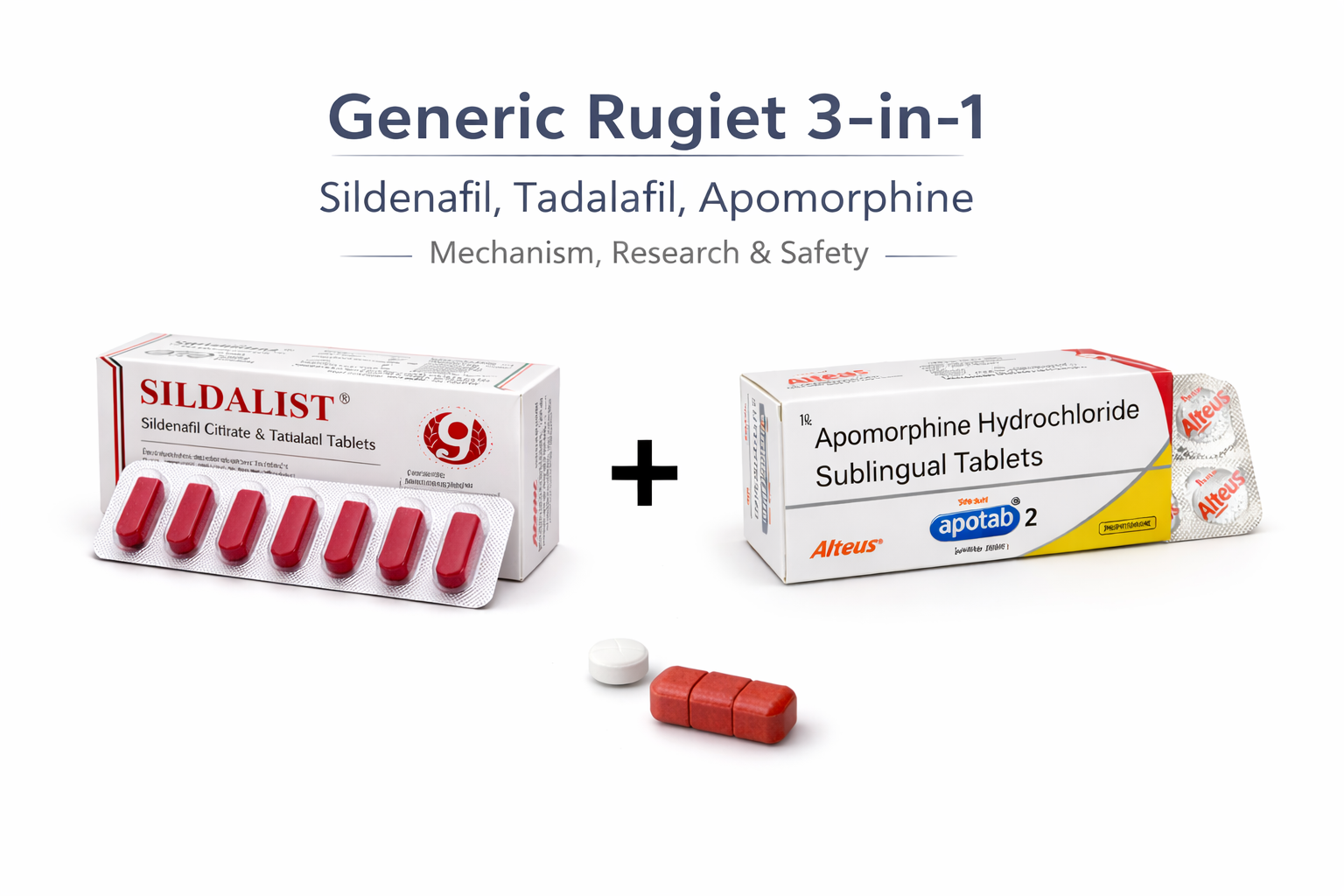
| Sildalist 120 mg + 2mg Apomorphine | Dual PDE-5 base (Sildenafil + Tadalafil) + Apomorphine units included | Balanced “Rugiet-style” escalation for most users | High |
| Sildalist Strong 140 mg + 2mg Apomorphine | Enhanced dual PDE-5 profile + Apomorphine units included | Experienced users / higher tolerance / stronger demand profile | Very High |
Conversion angle: If you’ve tried “standard” options and still get a partial, inconsistent, or timing-limited response,
the combined pathway approach is the next logical step—because it targets more than one limitation.
Explore Individual Components
Prefer to review each component separately or build your own structured protocol?
Below you’ll find detailed pages for the dual PDE-5 base and central pathway agent.
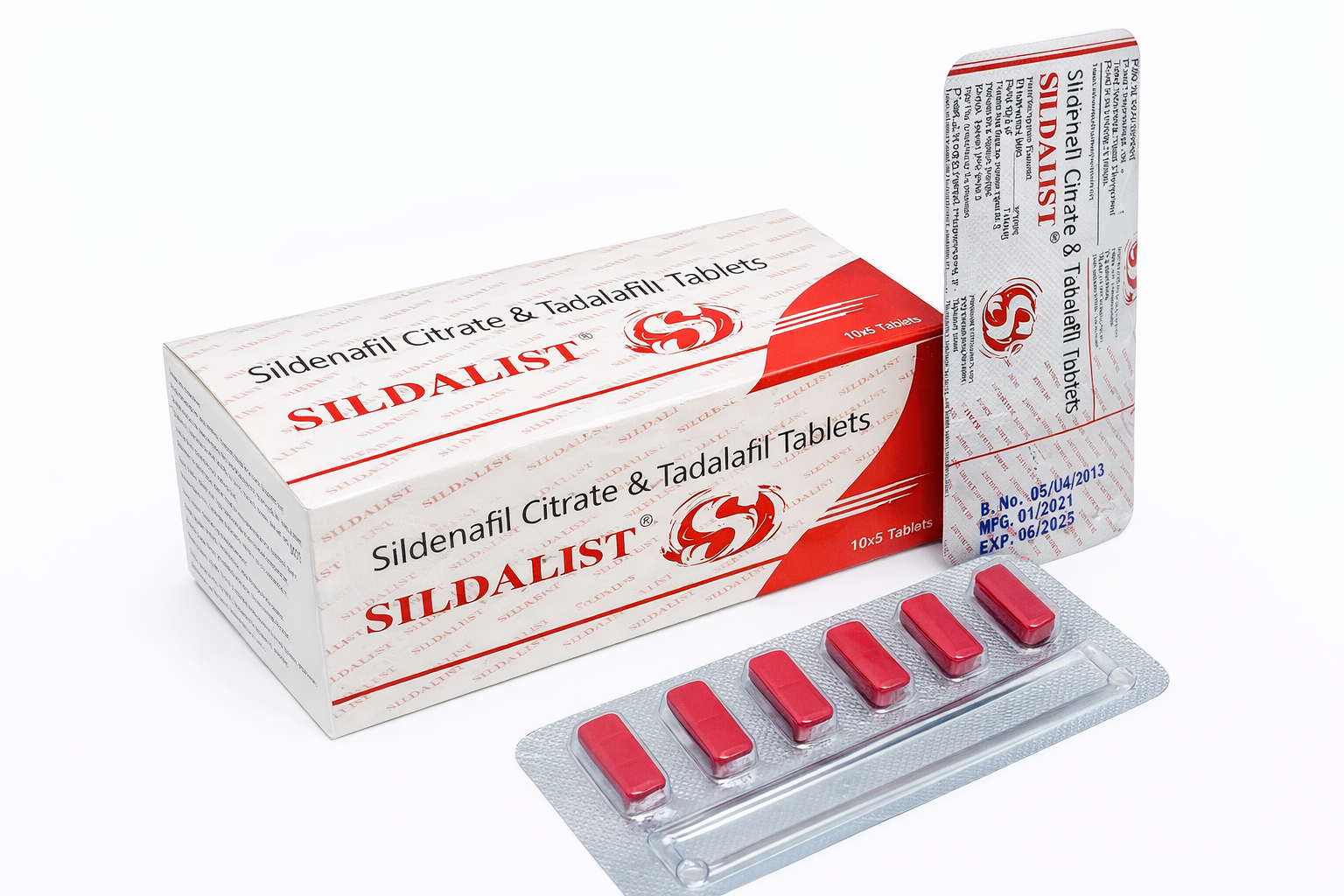
Sildalist 120 mg
Dual PDE-5 base (Sildenafil + Tadalafil) designed for balanced onset speed and extended duration window.
Ideal as the core vascular component in Rugiet-style strategies.
Sildalist Strong
Enhanced-intensity dual PDE-5 formulation for experienced users seeking stronger vascular response
and higher tolerance support.
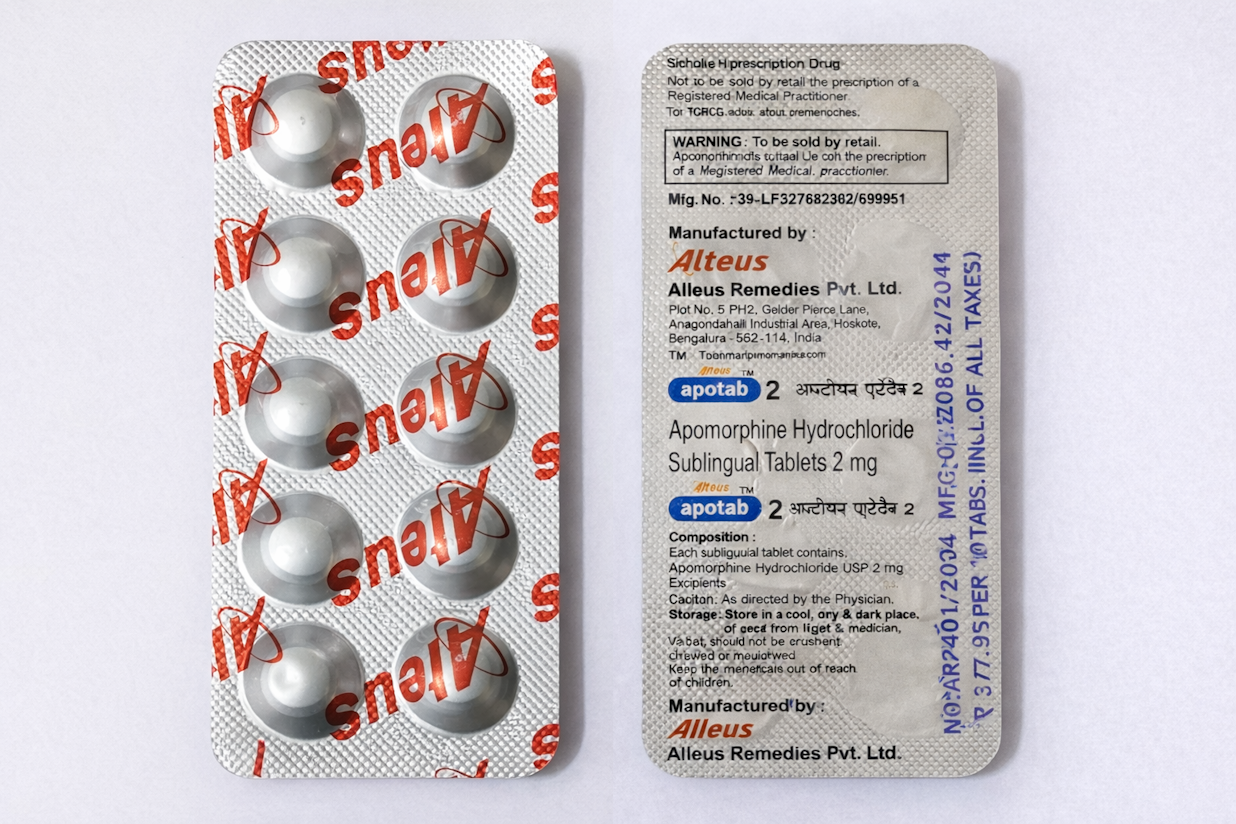
Apomorphine
Dopamine-pathway agent positioned for central arousal signaling support.
Often considered when initiation is the limiting factor despite adequate vascular response.
Structured approach: Many users begin with a dual PDE-5 base, assess response consistency,
and introduce central pathway support if arousal initiation remains suboptimal.
Mechanism: Ultra-Premium Medical Explanation
Erectile response is a neurovascular event: it requires both an adequate vascular pathway (smooth muscle relaxation and inflow)
and adequate central arousal signaling (initiating and sustaining sexual response). Rugiet-style stacking aims to address both.
1) PDE-5 inhibition (peripheral)
Supports nitric-oxide/cGMP signaling, promoting cavernosal smooth muscle relaxation and improved inflow.
2) Duration architecture
Combining fast-acting and longer-window PDE-5 profiles can widen the opportunity window versus a single on-demand spike.
3) Dopamine pathway (central)
Apomorphine is positioned for arousal initiation support—useful when “signal” is the limiting factor despite adequate vascular capacity.
Comparison: Generic Rugiet Alternative vs Branded Rugiet-Style Troche
“Rugiet” commonly refers to a Rugiet-style compounded troche concept (multi-ingredient ED stack in a troche/lozenge format).
Below is a practical comparison of the concept versus a tablet-based generic alternative strategy.
| Category | Branded Rugiet-style Troche (Concept) | Generic Rugiet Alternative (This Page) |
|---|---|---|
| Philosophy | Multi-ingredient “all-in-one” troche approach | Rugiet-style mechanism coverage using a dual PDE-5 base + central pathway agent |
| Format | Troche/lozenge (compounded format varies by provider) | Tablet-based regimen with separate Apomorphine units included |
| Consistency | Can vary by compounding source and formulation parameters | Standardized generic product formatting (varies by manufacturer/region) |
| Goal | Convenience + stacked pathways | Mechanism-driven escalation + controllable structure |
| Cost/Value | Often premium priced for compounding + branding | Typically value-oriented for users seeking Rugiet-style logic without brand premiums |
Important: This is a “Rugiet-style alternative” in strategy (multi-pathway coverage).
It is not presented as a claim of identity to any specific brand formulation or proprietary compounded recipe.
Why This Converts: The “3 Pain Points” It Targets
⏱ Timing pressureWhen a narrow on-demand window creates stress and inconsistent performance.
📉 Partial responseWhen blood-flow support alone doesn’t fully translate into reliable function.
🧠 Signal limitationWhen arousal initiation is the weak link (psychogenic or central factors).
Safety and Suitability
This page is educational. Combination therapy increases systemic exposure and can increase side-effect risk.
Do not use with nitrates (risk of dangerous hypotension). Use caution with antihypertensives and cardiovascular conditions.
High-risk exclusions (typical): nitrate therapy, unstable cardiovascular disease, recent severe cardiac events,
severe hypotension, or clinician-advised contraindications to PDE-5 inhibitors/dopaminergic agents.
FAQ
Is this the same as branded Rugiet?
It’s a Rugiet-style alternative in concept (multi-pathway stacking: PDE-5 + central pathway).
It is not presented as an identical match to any proprietary compounded troche recipe. Formulations can vary by provider.
Why include Apomorphine?
Because not all ED is purely vascular. In some users, arousal initiation and central signaling can be limiting.
Apomorphine is positioned for central dopaminergic arousal support in Rugiet-style strategies.
Who should consider “Strong” vs standard?
“Strong” is generally better suited to experienced users with higher tolerance or those who previously had inadequate response.
If you’re new to combination therapy, the balanced option is typically the more conservative starting point.
Will stacking increase side effects?
It can. Dual PDE-5 exposure may increase headache, flushing, nasal congestion, and BP-related dizziness.
Combination therapy should be approached as an escalation step, not a first attempt.
Any key interaction warnings?
Avoid use with nitrates. Use caution with cardiovascular disease and certain blood-pressure medications.
If you have cardiac risk, get clinician guidance before any PDE-5 strategy—especially combination approaches.
Bottom Line
If single-agent PDE-5 therapy feels “almost enough” but not reliably consistent, a Rugiet-style triple-mechanism strategy
is the most rational next step because it expands mechanism coverage—not just dosage.
Choose Sildalist 120mg + Apomorphine 2mg for a balanced escalation profile, or Sildalist Strong 140mg + Apomorphine 2mg
for a higher-intensity profile aligned with experienced users.
is the most rational next step because it expands mechanism coverage—not just dosage.
Choose Sildalist 120mg + Apomorphine 2mg for a balanced escalation profile, or Sildalist Strong 140mg + Apomorphine 2mg
for a higher-intensity profile aligned with experienced users.
Medical note: This content is informational and not a substitute for individualized medical advice.
Follow local regulations, labeling, and clinician guidance.