- Your cart is empty
- Continue Shopping



$10.00
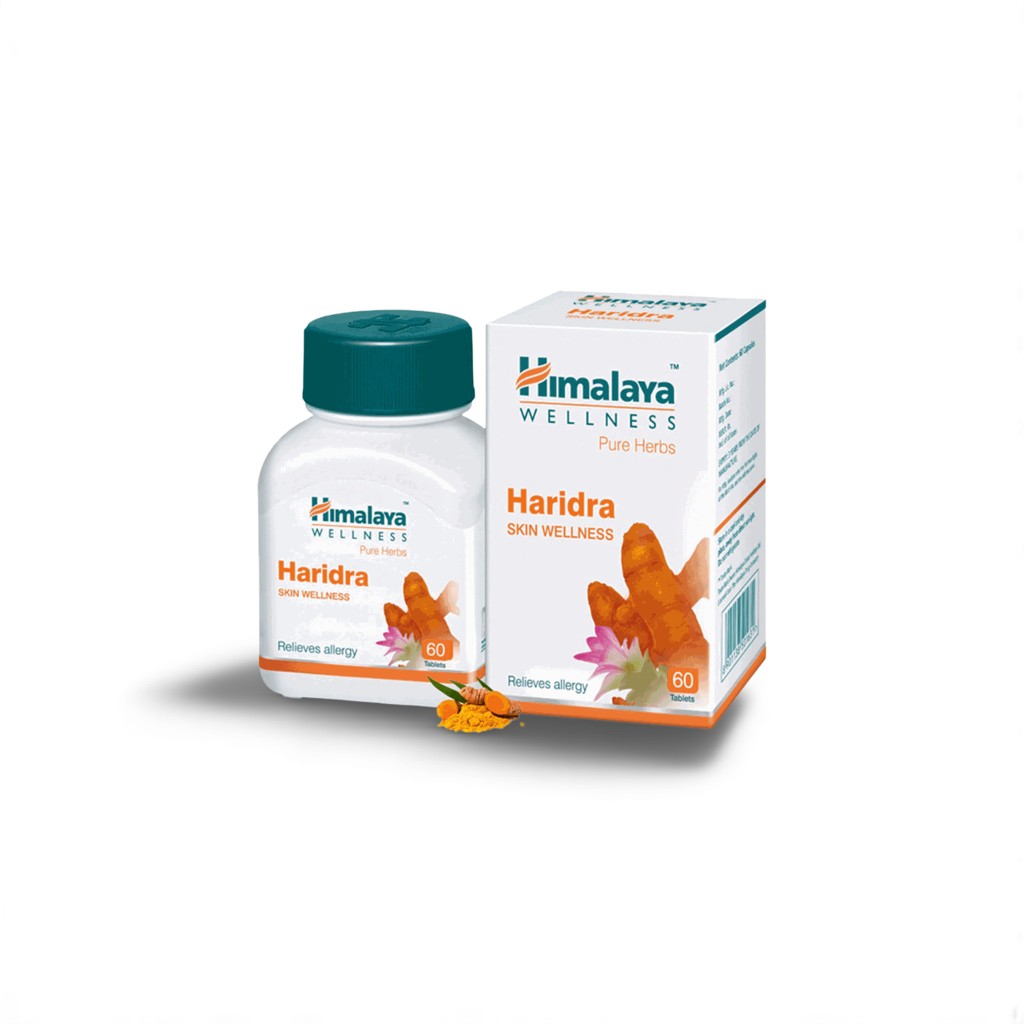
Haridra, commonly known as turmeric, has been revered for centuries in traditional medicine systems, particularly in Ayurveda. This vibrant yellow spice is not just a culinary delight but also a powerhouse of health benefits. In this article, we will explore Haridra’s properties, its various forms, potential side effects, and practical aspects of purchasing, including pricing in different countries and the possibility of importing from India.
Haridra refers to the rhizome of the Curcuma longa plant, widely known as turmeric. It’s renowned for its distinctive yellow color and is primarily located in South Asia, particularly in India. Traditionally used in cooking, Haridra also holds significant space in Ayurvedic medicine, where it is celebrated for its anti-inflammatory, antioxidant, and antimicrobial properties.
In its most common forms, Haridra is available as:
India is the largest producer of turmeric, and there are numerous reputable brands and manufacturers offering high-quality Haridra products. Here are some notable names:
These manufacturers produce various forms of Haridra, including powders, capsules, and herbal formulations, ensuring that consumers have multiple options for usage.
The primary active compound in Haridra is curcumin, which accounts for its vibrant yellow color and is responsible for many of its health benefits. The chemical formula of curcumin is C21H20O6.
Curcumin exhibits potent anti-inflammatory and antioxidant properties. Its medicinal benefits include:
These health benefits have made Haridra a popular choice among those seeking natural remedies for various ailments.
The recommended dosage of Haridra can vary based on the form consumed and individual health circumstances. Generally, for turmeric powder, the typical dosage is about 1 to 3 grams per day. For capsules, dietary supplements usually recommend 500 mg to 2,000 mg of curcumin, divided throughout the day.
To benefit maximally, it is advisable to combine Haridra with black pepper (which contains piperine) to enhance curcumin absorption significantly. It is essential to follow healthcare professional guidance when beginning a new supplement regimen to avoid potential interactions with medications or underlying health conditions.
While Haridra is generally considered safe for most people, some may experience side effects, particularly with high doses. Common side effects include:
Serious side effects are rare but can include increased risk of bleeding and liver damage with excessive use. People with specific health conditions or those pregnant or breastfeeding should consult a healthcare provider before using Haridra.
The price of Haridra products can vary widely depending on the form and brand. In Australia, turmeric powder typically costs between AUD 10 to AUD 30 for a 100-gram packet. In the USA, you can expect to pay approximately $10 to $25 for similar quantities. The UK market sees prices ranging from £5 to £20.
Factors affecting the pricing include sourcing quality, packaging, brand positioning, and distribution methods. Haridra products are available in health food stores, supermarkets, and online platforms, making it easy to assess prices and purchase according to preference.
Importing Haridra products from India can be a cost-effective option, especially for fans of traditional medicine. However, there are essential considerations to keep in mind:
In summary, Haridra is a versatile spice with significant health benefits, firmly grounded in traditional medicinal practices. Its popularity continues to rise in contemporary health and wellness circles due to its anti-inflammatory and antioxidant properties. Understanding the various forms available, potential side effects, and pricing dynamics, especially in different regions, will help you navigate your journey with Haridra effectively.
Whether you seek to incorporate Haridra into your diet for culinary or medicinal purposes, it’s essential to consult a healthcare professional to ensure safe and optimal use. This guide serves as a valuable resource for understanding the rich potential of Haridra and making informed decisions surrounding its use.
| packs |
|---|
You must be logged in to post a review.
Reviews
There are no reviews yet.