- Your cart is empty
- Continue Shopping



Price range: $15.00 through $35.00
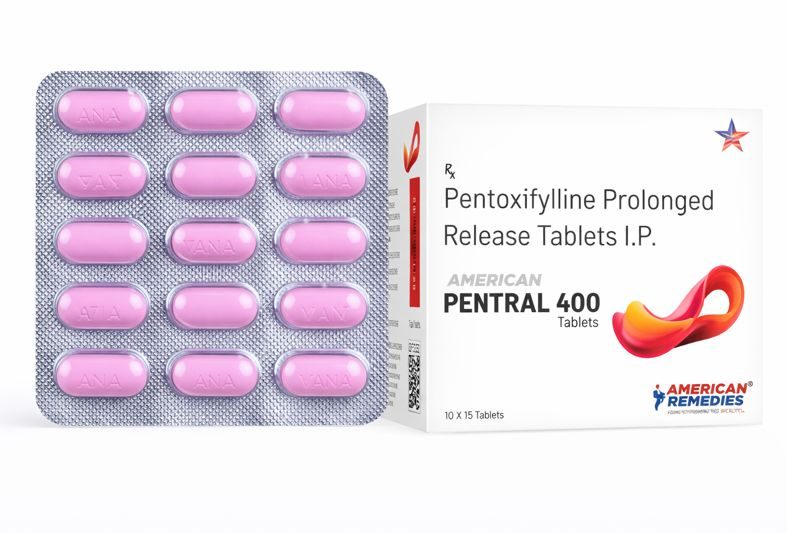
Pentral 400 mg by American Remedies contains Pentoxifylline, a medication known for
improving blood flow and microcirculation by reducing blood viscosity and enhancing red blood cell flexibility.
It is commonly used as a generic alternative to Trental® for patients with
peripheral arterial disease (PAD) and intermittent claudication—leg pain or cramping during walking due to reduced circulation.
When combined with smoking cessation, exercise therapy, and cardiovascular risk control, pentoxifylline may help improve walking tolerance and daily comfort.
| Brand Name | Pentral 400 |
|---|---|
| Generic Name | Pentoxifylline |
| Strength | 400 mg |
| Dosage Form | Extended-release tablet (commonly ER / SR format) |
| Manufacturer | American Remedies (India) |
| Packaging | Typically 10 tablets per strip (varies by batch) |
| US / Reference Brand | Trental® (pentoxifylline) |
| Primary Uses | Peripheral arterial disease (PAD), intermittent claudication; circulation support as prescribed |
| Estimated Delivery | Australia 6–12 days • USA/UK/EU 8–18 days |
Pentoxifylline is a methylxanthine derivative with hemorheologic (blood-flow) effects. In clinical terms, it may help by:
For intermittent claudication, benefits often build gradually. Many patients require several weeks of consistent therapy plus exercise rehabilitation to notice meaningful improvement.
The dose is determined by a clinician based on your diagnosis, kidney function, and tolerance. Common adult regimens for extended-release pentoxifylline are often structured around 400 mg tablets.
This section is educational and does not replace medical advice.
| Use | Typical Approach | How to Take | Notes |
|---|---|---|---|
| Intermittent claudication (PAD) | Extended-release dosing per prescription | Take with meals; swallow whole | Do not crush/chew ER tablets; benefits may take weeks. |
| Dose adjustment | Reduced dose may be needed | Follow clinician guidance | Renal impairment, older age, or side effects can require changes. |
Pentoxifylline is generally tolerated by many patients, but side effects can occur. Contact your clinician if symptoms persist or worsen.
| Region | Availability | Delivery |
|---|---|---|
| Australia | Available | 6–12 days |
| USA | Available | 8–18 days |
| UK / EU | Available | 10–20 days |
| Product | Use | Link |
|---|---|---|
| Atorvastatin 10–40 mg | Cholesterol control (CV risk reduction) | View Atorvastatin |
| Clopidogrel 75 mg | Antiplatelet therapy (as prescribed) | View Clopidogrel |
| Aspirin (low-dose) | CV risk support (only when advised) | View Aspirin |
Note: Internal links above use common slugs; adjust to your exact product URLs if different.
🩺 Medical Disclaimer
This content is for informational purposes only and does not replace professional medical advice, diagnosis, or treatment.
Pentoxifylline is a prescription medication in many regions and may interact with blood thinners and other cardiovascular medicines.
Always consult a qualified healthcare provider before starting or changing any therapy.
BuyAllMD provides educational information and access to products; compliance with local laws and prescription requirements is the buyer’s responsibility.
| Tablets | 30, 60, 90 |
|---|