- Your cart is empty
- Continue Shopping


Price range: $35.00 through $110.00
✅ Active Ingredient Overview Table:
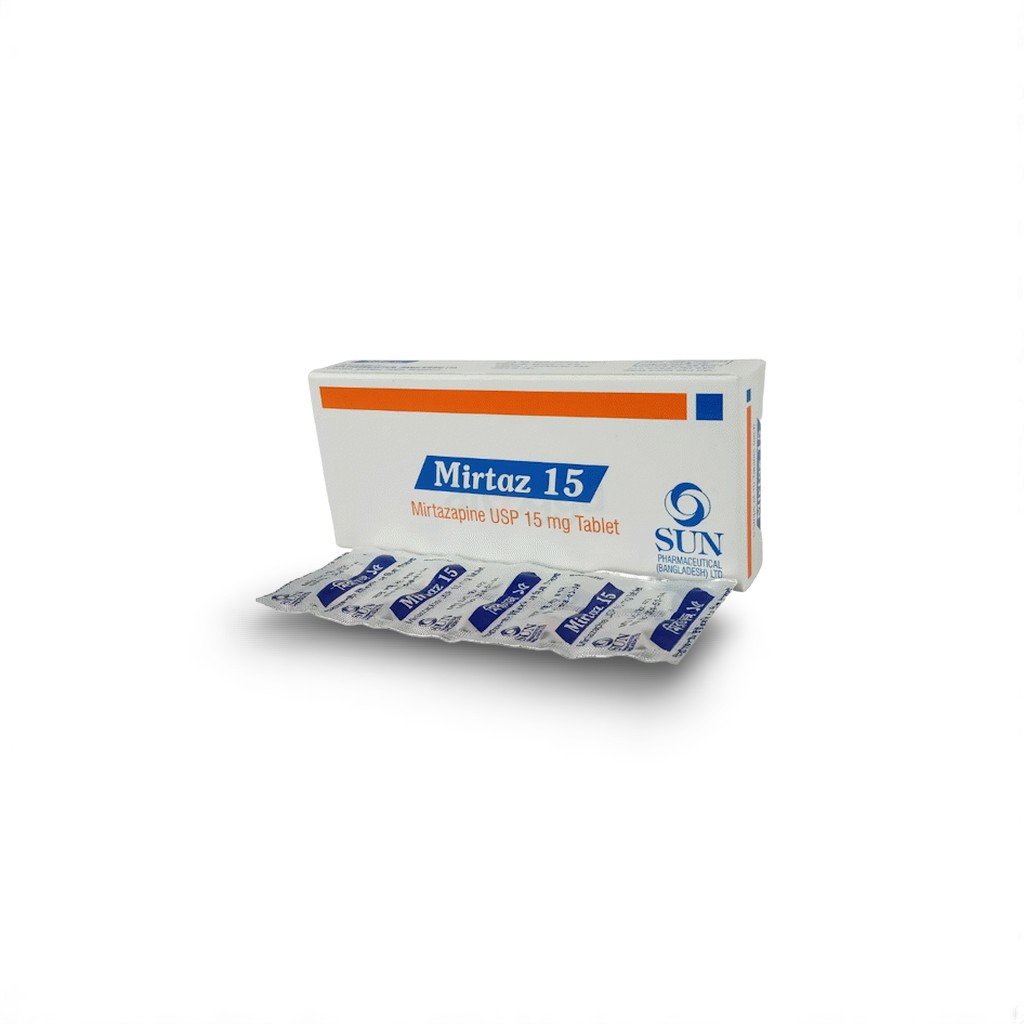
| 🔬 Active Ingredient (Generic Name): | Mirtazapine |
|---|---|
| 💊 Indication: | Major Depressive Disorder (MDD), Off-Label: Anxiety, Insomnia |
| 🇺🇸 US Brand: | Remeron |
| 🏭 Manufacturer: | Sun Pharmaceutical Industries Ltd. (Founded: 1993) |
| 📦 Packaging: | 10 Tablets per Strip |
| 🧪 Strengths: | 15 mg, 30 mg |
| 🚚 Delivery Time: | 6–15 days |
Mirtazapine is a noradrenergic and specific serotonergic antidepressant (NaSSA) that antagonizes central presynaptic α2-adrenergic inhibitory autoreceptors and heteroreceptors, enhancing norepinephrine and serotonin release. Additionally, it blocks 5-HT2 and 5-HT3 receptors and histamine H1 receptors, contributing to anxiolytic and sedative effects.
The 15 mg dose often serves as an initial therapy in MDD, providing balanced antidepressant efficacy with moderate sedation—beneficial for patients with insomnia. Titrating to 30 mg can enhance mood-lifting effects while still offering tranquilizing benefits. Mirtazapine’s rapid onset and appetite stimulation profile make it suitable for depressed patients experiencing weight loss or poor sleep.
Clinical trials show significant improvement in Hamilton Depression Rating Scale scores by week two, with remission rates up to 40% at 30 mg. Off-label uses include reducing anxiety symptoms and improving sleep architecture without disrupting REM patterns.
For full prescribing details and safety data, consult the FDA label for Remeron, the Drugs.com monograph, and the NHS Medicines A–Z entry.
| Attribute | Detail |
|---|---|
| Chemical Formula | C17H19N3 |
| Molecular Weight | 265.36 g/mol |
| Bioavailability | ~50% |
| Metabolism | Hepatic (CYP1A2, CYP2D6, CYP3A4) |
| Half-Life | ~20–40 hours |
Mirtazapine’s multi-receptor profile enhances mood and reduces anxiety while promoting sleep and appetite.
| Condition | Dose & Administration |
|---|---|
| Major Depressive Disorder | Start 15 mg at bedtime; may increase to 30 mg after 1–2 weeks based on response |
| Anxiety Disorders (Off-Label) | 15–30 mg at bedtime |
| Insomnia (Off-Label) | 7.5–15 mg at bedtime |
Take once daily at bedtime; do not split tablets. Titrate slowly to mitigate sedation and weight gain.
Common:
Serious:
Monitor blood counts periodically. Counsel on dietary changes for weight management and review concomitant serotonergic medications.
Store Mirtaz 15 mg & 30 mg at 20–25°C in original packaging. Protect from moisture and light.
International sourcing may lower costs; ensure regulatory compliance and valid prescription.
“Mirtazapine’s dual impact on sleep and appetite, combined with rapid antidepressant effects, makes it a valuable option for patients with comorbid insomnia and underweight.”
| Active | Mirtazapine |
|---|---|
| Strength | 15mg, 30mg |
| Tablets | 30, 60, 90 |
You must be logged in to post a review.
Reviews
There are no reviews yet.